

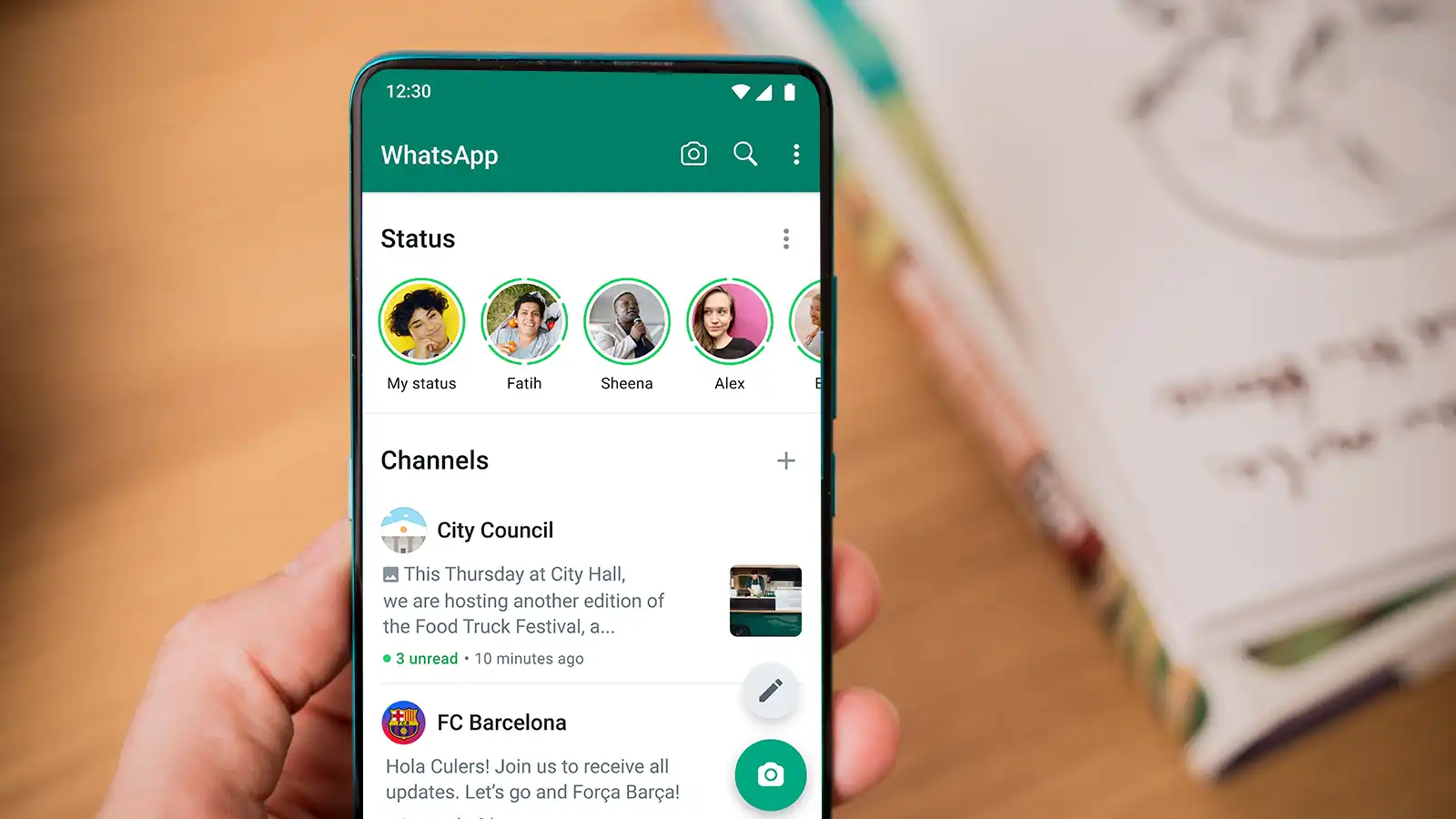
For years, WhatsApp broadcasts have been one of the most powerful sales tools for small and medium-sized businesses in Kenya. From Instagram shops and fashion stores to electronics dealers, pharmacies, restaurants, and travel agencies, businesses have relied on WhatsApp broadcasts to communicate instantly with customers, announce new stock, and generate sales within minutes.
Now, that system is changing.
Meta, the parent company of WhatsApp, Facebook, and Instagram, is increasingly monetizing WhatsApp Business messaging services. Businesses that once depended on free WhatsApp broadcasts are now facing new costs, restrictions, and limitations that could significantly affect how they market and sell products online.
For many Kenyan SMEs, this is more than just a technical update. It is a major shift in digital commerce.
In this article, we explore how Meta’s new WhatsApp broadcasts charges affect SMEs in Kenya, why this matters, and the best alternatives businesses can use moving forward.
Why WhatsApp Broadcasts Became Essential for Kenyan SMEs
Kenya has one of the strongest mobile-first economies in Africa. Many businesses operate almost entirely through smartphones and social media platforms. While websites and e-commerce platforms exist, most transactions still happen through direct communication.
That is where WhatsApp broadcasts became extremely valuable.
Using WhatsApp broadcasts, a business owner could:
- Send promotions to over 100 customers instantly
- Share new arrivals in seconds
- Announce discounts and flash sales
- Receive immediate customer feedback
- Confirm orders quickly
- Build direct relationships with buyers
Unlike traditional advertising, WhatsApp broadcasts felt personal. Customers received updates directly on their phones, making businesses more accessible and trustworthy.
For many SMEs in Kenya, WhatsApp broadcasts replaced expensive marketing channels entirely.
A fashion seller in Nairobi could upload new arrivals and instantly reach loyal customers. An electronics store could announce discounts in one message. Restaurants could promote lunch offers every morning. Small businesses grew rapidly because WhatsApp broadcasts made customer communication simple and affordable.
Meta’s New WhatsApp Broadcasts Charges
Meta has gradually been transforming WhatsApp from a simple messaging platform into a business and commerce ecosystem.
Previously, WhatsApp broadcasts were largely free for small businesses using the standard WhatsApp Business app. However, Meta has increasingly introduced paid business messaging models, especially for bulk communication and promotional messaging.
This means businesses using WhatsApp broadcasts at scale may now face:
- Message charges
- Broadcast limitations
- Stricter forwarding rules
- Higher costs for customer outreach
- Dependence on paid messaging tools
For many Kenyan SMEs, this is frustrating because they are now paying to reach customers they already acquired organically.
A business owner who used to send free WhatsApp broadcasts to 200 customers may now spend hundreds of shillings for the same reach.
While larger companies may absorb these costs easily, smaller businesses feel the impact immediately.
Why This Is a Big Problem for SMEs in Kenya
The challenge is not only about money. The real issue is efficiency and accessibility.
WhatsApp broadcasts worked because they were:
- Fast
- Free or low-cost
- Personal
- Trusted
- High-converting
Kenyan customers already use WhatsApp daily. Businesses did not need customers to download new apps or create accounts. Communication happened naturally.
Now, Meta’s changes threaten that convenience.
Increased Marketing Costs
Many SMEs operate on tight budgets. Spending 500 KSh or more on WhatsApp broadcasts may not seem significant to large corporations, but for small businesses it matters.
That money could go toward:
- Delivery fuel
- Restocking products
- Rent
- Employee wages
- Daily operations
When Meta increases the cost of WhatsApp broadcasts, it directly affects business profitability.
Reduced Sales Speed
One reason WhatsApp broadcasts worked so well was instant communication.
A seller could announce:
“New handbags available today.”
Within minutes:
- Customers replied
- Orders were confirmed
- Payments were received
If businesses now delay messaging because of costs or limitations, sales momentum slows down.
Impulse purchases decrease significantly when communication becomes difficult.
More Dependence on Meta Platforms
Meta is building an ecosystem where businesses increasingly pay for visibility and communication.
Many SMEs already spend money on:
- Facebook ads
- Instagram promotions
- boosted posts
Now WhatsApp broadcasts are becoming monetized too.
This creates a situation where businesses become highly dependent on Meta platforms for customer acquisition, communication, and conversions.
That dependency is risky.
The Hidden Impact on Informal Businesses
Kenya’s digital economy includes thousands of informal businesses.
These are:
- Instagram boutiques
- thrift stores
- sneaker resellers
- beauty businesses
- food vendors
- online gadget sellers
Most of these businesses do not have:
- websites
- CRM systems
- marketing departments
Their business model depends almost entirely on:
Instagram + WhatsApp broadcasts.
When Meta changes WhatsApp broadcasts, it affects their entire sales process.
Some businesses may:
- reduce customer communication
- send fewer updates
- avoid promotions
- lose repeat customers
Others may struggle to compete with larger brands that can afford paid messaging tools.
Why Meta Is Charging for WhatsApp Broadcasts
Meta’s strategy is clear.
WhatsApp has over two billion users globally, and Meta sees massive revenue potential in business communication.
The company is pushing businesses toward:
- WhatsApp Business API
- automated messaging
- chatbot systems
- paid promotional messaging
- integrated advertising
Essentially, Meta wants WhatsApp to become a monetized business platform similar to Facebook and Instagram.
For businesses, this means WhatsApp broadcasts are no longer simply a free communication tool. They are becoming part of a paid marketing ecosystem.
Best Alternatives to WhatsApp Broadcasts for SMEs in Kenya
Even though WhatsApp broadcasts remain powerful, businesses should start diversifying communication channels immediately.
Relying entirely on Meta platforms is becoming risky and expensive.
Here are the best alternatives.
1. WhatsApp Channels
WhatsApp Channels are becoming increasingly popular.
Unlike traditional WhatsApp broadcasts, Channels allow businesses to:
- share updates publicly
- reach unlimited followers
- post announcements at scale
Advantages:
- no forwarding limits
- scalable audience growth
- easy content distribution
Disadvantages:
- lower engagement than direct messages
- customers may mute updates
Still, Channels are one of the strongest alternatives to WhatsApp broadcasts within the Meta ecosystem.
2. Telegram Communities
Telegram is another strong alternative.
Telegram allows:
- massive group sizes
- unlimited broadcasts
- large file sharing
- automation tools
Advantages:
- fewer restrictions
- excellent community features
- free broadcasting
Disadvantages:
- smaller Kenyan user base
- lower trust compared to WhatsApp
However, businesses targeting younger audiences may find Telegram highly effective.
3. SMS Marketing
SMS remains underrated in Kenya.
Bulk SMS services still achieve extremely high open rates because almost everyone reads text messages immediately.
Businesses can use SMS for:
- flash sales
- restock alerts
- delivery notifications
- loyalty rewards
SMS works especially well for:
- pharmacies
- supermarkets
- restaurants
- travel agencies
Unlike WhatsApp broadcasts, SMS is independent of Meta platforms.
4. Email Marketing
Many SMEs in Kenya ignore email marketing completely.
That creates an opportunity.
Businesses should start collecting:
- customer emails
- purchase history
- customer preferences
Email marketing allows businesses to:
- promote new arrivals
- send catalogs
- nurture customer relationships
- reduce reliance on WhatsApp broadcasts
Platforms like Mailchimp and Brevo offer affordable email marketing solutions for SMEs.
5. Instagram Close Friends
Instagram Close Friends is becoming an effective marketing strategy.
Businesses can create exclusive customer groups and share:
- early product drops
- special discounts
- behind-the-scenes content
- limited offers
This creates exclusivity and strengthens customer loyalty.
For fashion and beauty businesses, this can partially replace WhatsApp broadcasts.
6. Customer Loyalty Groups
Instead of relying only on WhatsApp broadcasts, businesses should build communities.
Examples include:
- VIP customer groups
- membership communities
- repeat buyer clubs
Communities encourage repeat purchases without requiring constant paid outreach.
This reduces dependence on Meta advertising systems.
How Kenyan SMEs Should Adapt
The reality is simple:
WhatsApp broadcasts are changing permanently.
Businesses that adapt early will survive more easily.
Here is what SMEs should focus on.
Build Customer Databases
Do not depend entirely on Meta platforms.
Collect:
- phone numbers
- emails
- customer preferences
- order history
Owning customer data reduces platform dependence.
Diversify Marketing Channels
Do not rely solely on WhatsApp broadcasts.
Combine:
- email marketing
- Telegram
- SMS
- websites
- customer communities
This protects businesses from sudden platform changes.
Invest in Brand Loyalty
Businesses with strong customer relationships suffer less when platforms change.
Customers who trust your brand will still buy even if communication methods evolve.
Create Owned Platforms
SMEs should increasingly invest in:
- websites
- e-commerce stores
- mailing lists
- blogs
Owning digital assets is more sustainable long-term.
The Future of WhatsApp Broadcasts in Kenya
WhatsApp broadcasts are unlikely to disappear completely.
However, Meta will probably continue introducing:
- monetization
- automation
- advertising tools
- paid business features
For Kenyan SMEs, this means digital marketing is becoming more expensive and competitive.
Businesses that relied entirely on free WhatsApp broadcasts must now rethink their communication strategies.
The good news is that opportunities still exist.
SMEs that:
- diversify early
- build communities
- own customer data
- create strong brands
will continue growing despite Meta’s changes.
Final Thoughts
Meta’s decision to charge for WhatsApp broadcasts marks a major turning point for SMEs in Kenya.
For years, WhatsApp broadcasts helped businesses grow quickly with minimal marketing costs. They created direct customer relationships, fast sales, and powerful word-of-mouth marketing.
Now, those same businesses face higher communication costs and increasing restrictions.
While WhatsApp broadcasts remain useful, SMEs can no longer depend entirely on one platform.
The businesses that will succeed in the future are the ones that:
- adapt quickly
- diversify communication channels
- build loyal communities
- invest in owned digital platforms
Meta may control WhatsApp broadcasts, but SMEs still control how they build relationships with customers.
And in Kenya’s fast-growing digital economy, customer relationships remain the most valuable asset of all.